
Checking Criminal History in Lake County
Start with the record that answers the question. The Lake County Circuit Clerk keeps local criminal, traffic, and civil case files. A clerk search can locate a case and its outcome, but it will not reveal an arrest that prosecutors never filed. The Sheriff's Office holds its own incident reports, jail bookings, and custody information. Illinois State Police keeps the statewide fingerprint-linked repository and offers public conviction searches through CHIRP. Those channels overlap, yet none replaces the others.
Gather a full name, date of birth, likely date range, and any case or incident number before searching. Spelling variants matter. So does timing. A new police report may still be under review, while a recent arrest may appear in custody records before a court case is filed. For an older Lake County matter, the clerk can search by name and year. For a personal statewide transcript, use fingerprint-based Access and Review.
- Choose the Circuit Clerk for a Lake County charge or disposition, Sheriff Records for an incident report, or the jail channel for current custody.
- Use the exact name and a focused year range. Add a birth date when the official form requests it.
- Match results by case number, filing date, charge, and court location. A name match alone is not proof of identity.
- Open or request the underlying docket, report, or booking detail instead of relying on a list result.
- Order a certified court copy or an official ISP product when the purpose calls for an authenticated record.
Lake County's Split Records Campus
Downtown Waukegan has several justice offices within a small area, but their records are separate. The Circuit Clerk counter is at 18 N. County Street. Court proceedings may be at the Criminal Court Tower, 301 Washington Street. Sheriff's headquarters is at 25 S. Martin Luther King Jr. Avenue, while the Adult Corrections Facility has a public entrance at 29 S. MLK Jr. Avenue. A requester should confirm both the custodian and destination before traveling.
The county's Find or Request directory routes people to the right office. The captured directory below is useful because it distinguishes court files, police records, jail information, and other county material.
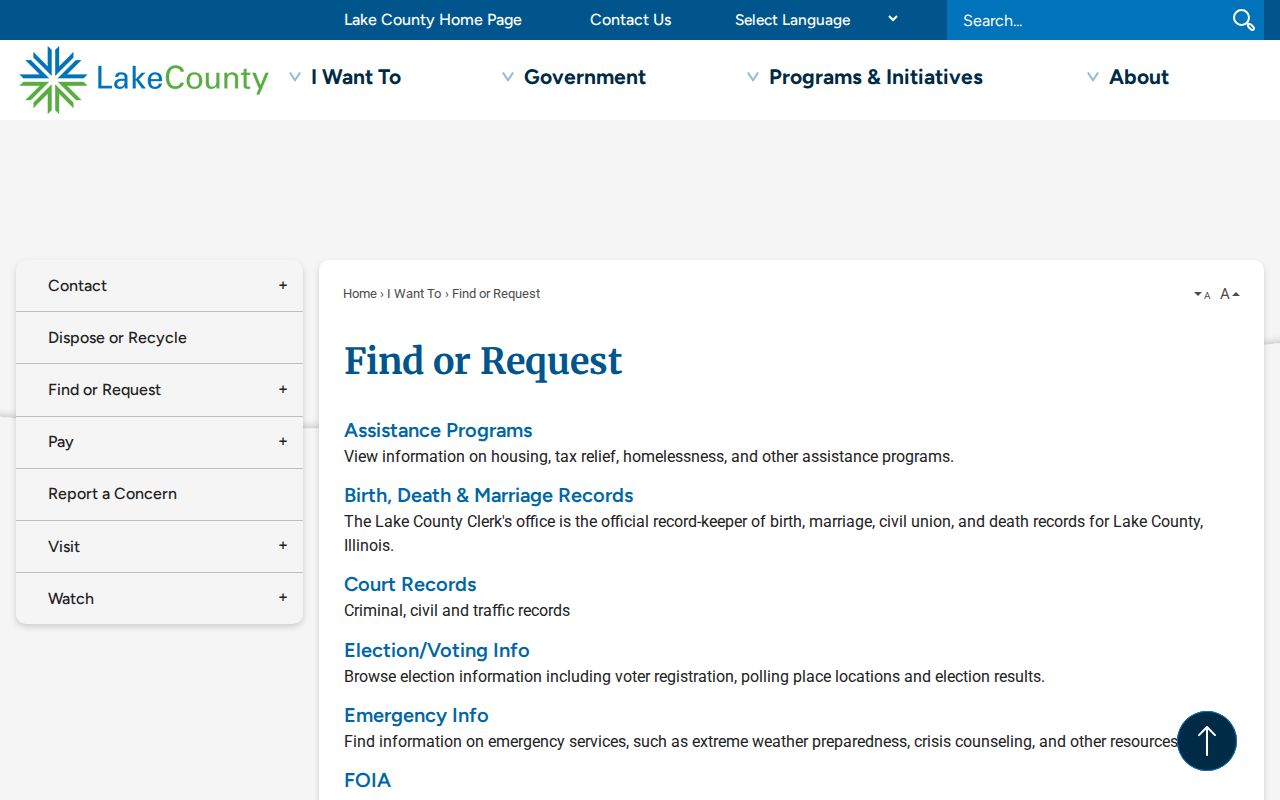
Use that routing page before sending a broad FOIA request. Illinois FOIA does not make one county office the custodian of every public record.
Illinois Official Background Checks
The Illinois State Police Bureau of Identification maintains the central criminal-history repository. Its Uniform Conviction Information Act service makes Illinois conviction information available through CHIRP. A name-based inquiry is not a full account of every arrest, dismissal, local docket paper, sealed case, or event outside Illinois. It is a state repository product with a defined scope.
CHIRP begins with an Illinois Digital ID. Responses are retrieved online, and the transaction control number is important for finding a submitted inquiry. The entry screen shown here illustrates that the public product is account based, not an anonymous county docket search.
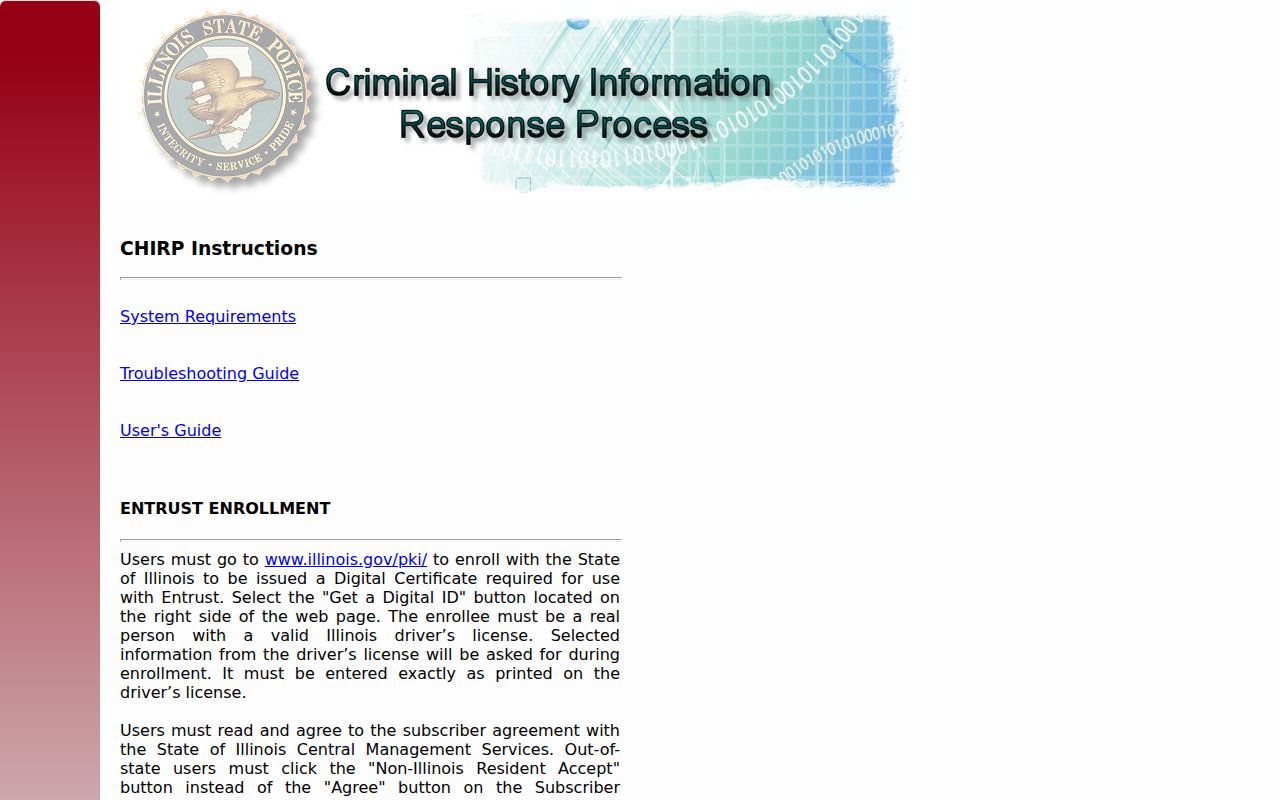
For a copy of one's own Illinois transcript, ISP Access and Review uses fingerprints and includes a Record Challenge route. ISP charges no processing fee for that service, though the agency or Live Scan vendor taking prints may charge a capture fee.
Choose the Right Illinois Record
Product choice changes the result. The ISP name-based check explanation describes the public conviction channel.
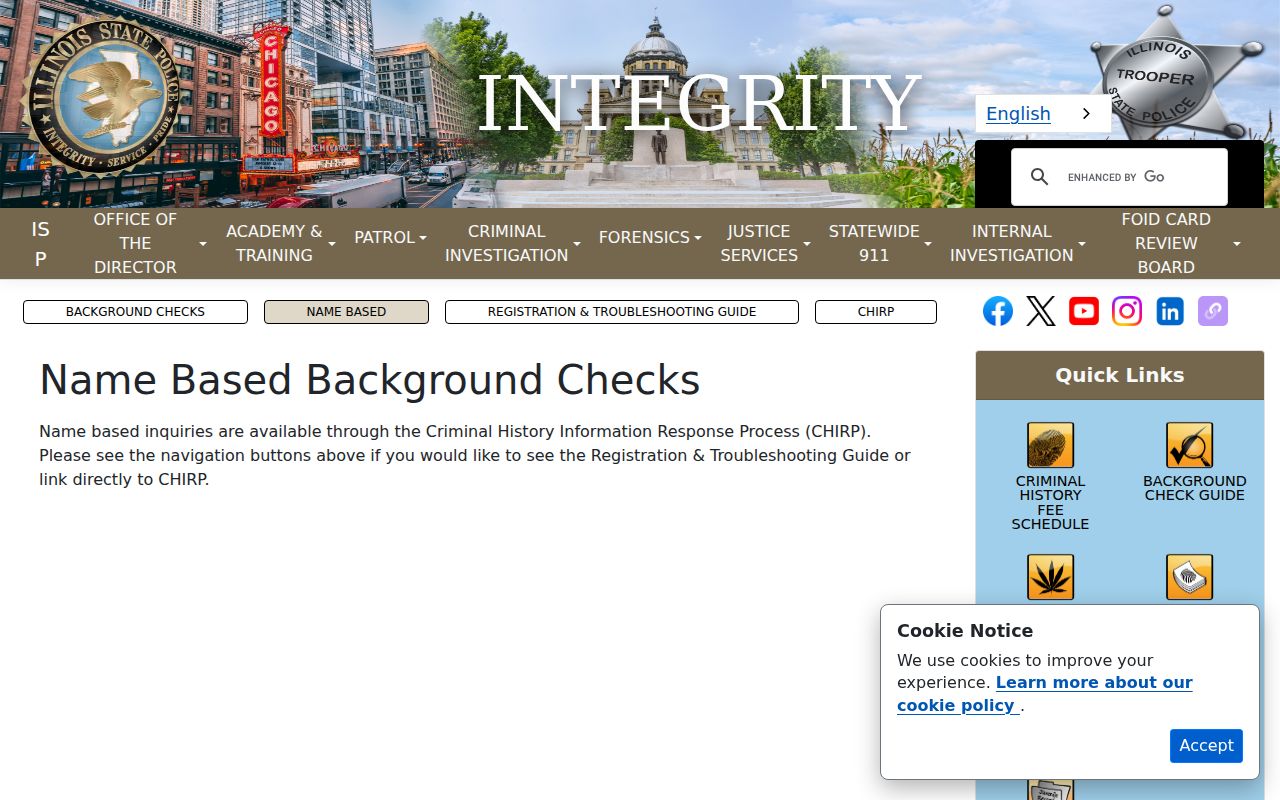
A Lake County case search is best for a local docket and disposition. ISP Access and Review is best for an identity-confirmed personal Illinois transcript. FBI eDO is the federal route for one's own Identity History Summary. A Sheriff's report answers what that agency documented about one event. Picking by purpose prevents a common error: treating a clear result in one system as proof that no other record exists.
| Channel | Best use | Main limit |
|---|---|---|
| Lake County Circuit Clerk | Local cases, dockets, and dispositions | No unfiled arrest or statewide transcript |
| ISP CHIRP | Public Illinois conviction search | Not a full personal rap sheet |
| ISP Access and Review | One's own fingerprint-linked Illinois record | Capture appointment may have a vendor fee |
| FBI eDO | One's own federal identity history | Fingerprints and an $18 FBI fee required |
Criminal Record Types
Lake County criminal records follow the agency that created them. Police and deputies write incident and arrest reports. Corrections staff create booking and custody entries. The Circuit Clerk maintains the judicial file after a charge is filed. ISP receives reportable criminal-history events and later dispositions. IDOC records state prison custody, and the Illinois State Police Sex Offender Registry publishes a separate statutory registration record.
- Arrest and booking records identify the arresting agency, custody event, booking data, and alleged offenses.
- Criminal court files show filed charges, hearings, orders, pleas, dispositions, and sentences.
- State criminal-history transcripts organize fingerprint-associated arrest cycles and reported outcomes.
- Warrants may arise from a judge or other lawful authority and need direct confirmation before action.
- Custody, supervision, and registry records answer narrower questions and have distinct access limits.
Lake County Search Fees and Fields
When no case number is known, the Circuit Clerk accepts record-search requests by mail or in person. The fee is $6 per name per year. Mail requests need the subject's name, years to search, selected case types, a date of birth for an individual, and a self-addressed stamped envelope. Payment by mail must be a money order, certified check, or cashier's check payable to the Clerk of the Circuit Court. Personal checks are not accepted.
| Item | Amount or requirement |
|---|---|
| Clerk name search | $6 per name per year |
| CHIRP name inquiry | $16 electronic request |
| ISP fingerprint conviction response | $20 electronic request, plus capture cost |
| FBI Identity History Summary | $18, plus any capture cost |
| Sheriff FOIA paper copies | First 50 black-and-white pages free, then $0.15 each |
The ISP fee schedule is the source to recheck before paying.
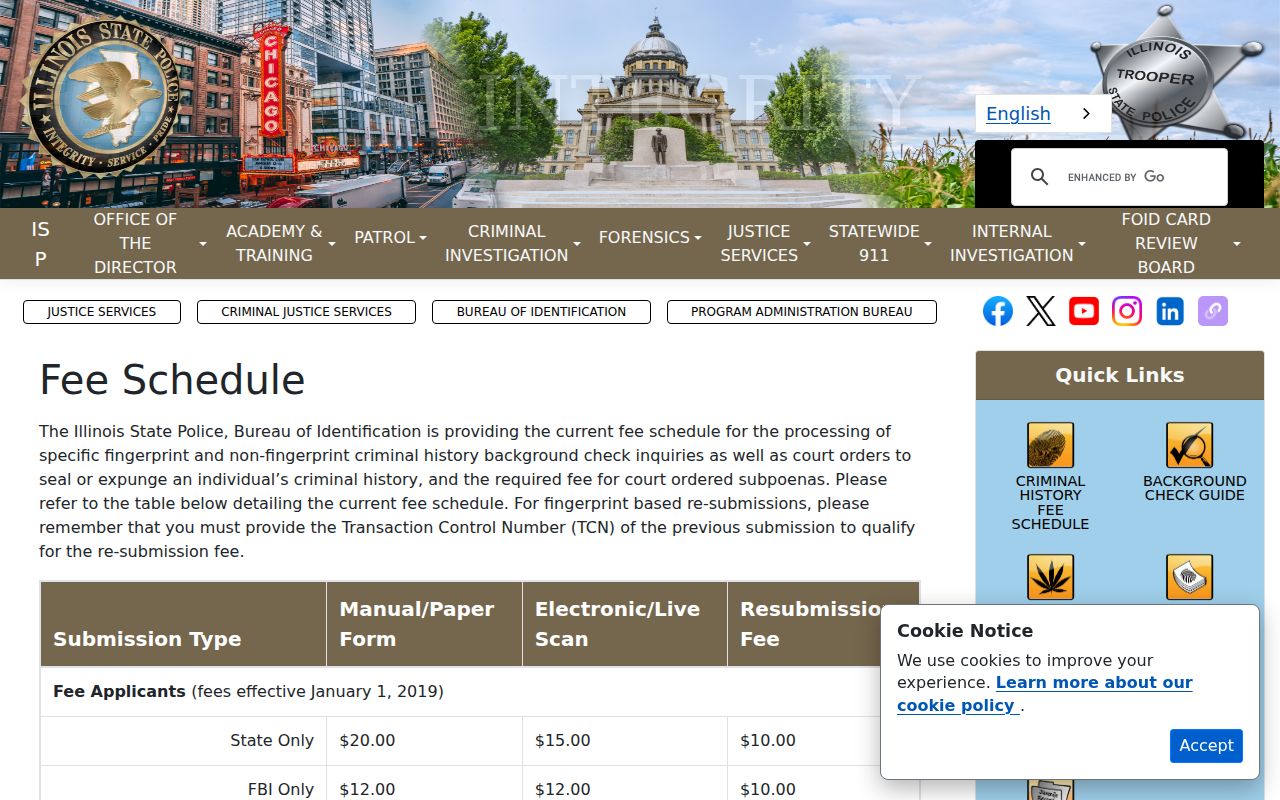
Fees differ because each office is producing a different record. A clerk search charge does not buy an ISP transcript, and an ISP inquiry does not buy certified Lake County pleadings.
Inside a Lake County Criminal Record
Read the fields as a timeline, not a verdict at first glance. A booking entry describes custody and allegations. A charging document states what prosecutors filed. The docket records what happened in court. A disposition states the outcome for each count, and the sentence shows the court-ordered consequence. Dates reveal whether one entry may simply be newer than another.
| Name & Identifiers | Name, aliases, date of birth, physical descriptors, and agency or case numbers used to distinguish records. |
|---|---|
| Arrest / Booking Data | Agency, arrest date, booking date, alleged offense, bond information, and release or custody status. |
| Charges & Statutes | Count, offense title, Illinois statute citation, offense class, and filing date. |
| Disposition | The result for each charge, such as conviction, dismissal, acquittal, or another recorded outcome. |
| Sentence | Jail or prison term, probation, fines, conditions, credit, and related court orders when public. |
| Custody / Supervision Status | Current county jail or IDOC status and public supervision information, subject to each system's limits. |
Lake County Fingerprint Record Review
Fingerprint review reduces the risk of confusing people who share a name. For ISP Access and Review, ask a law-enforcement or correctional facility, or a licensed Live Scan vendor, to capture prints for that purpose. ISP's processing fee is zero. The capture provider may set a separate fee, so ask for the full cost and confirm that the transaction is coded for Access and Review.
The Illinois licensed fingerprint-vendor list helps locate an approved provider.
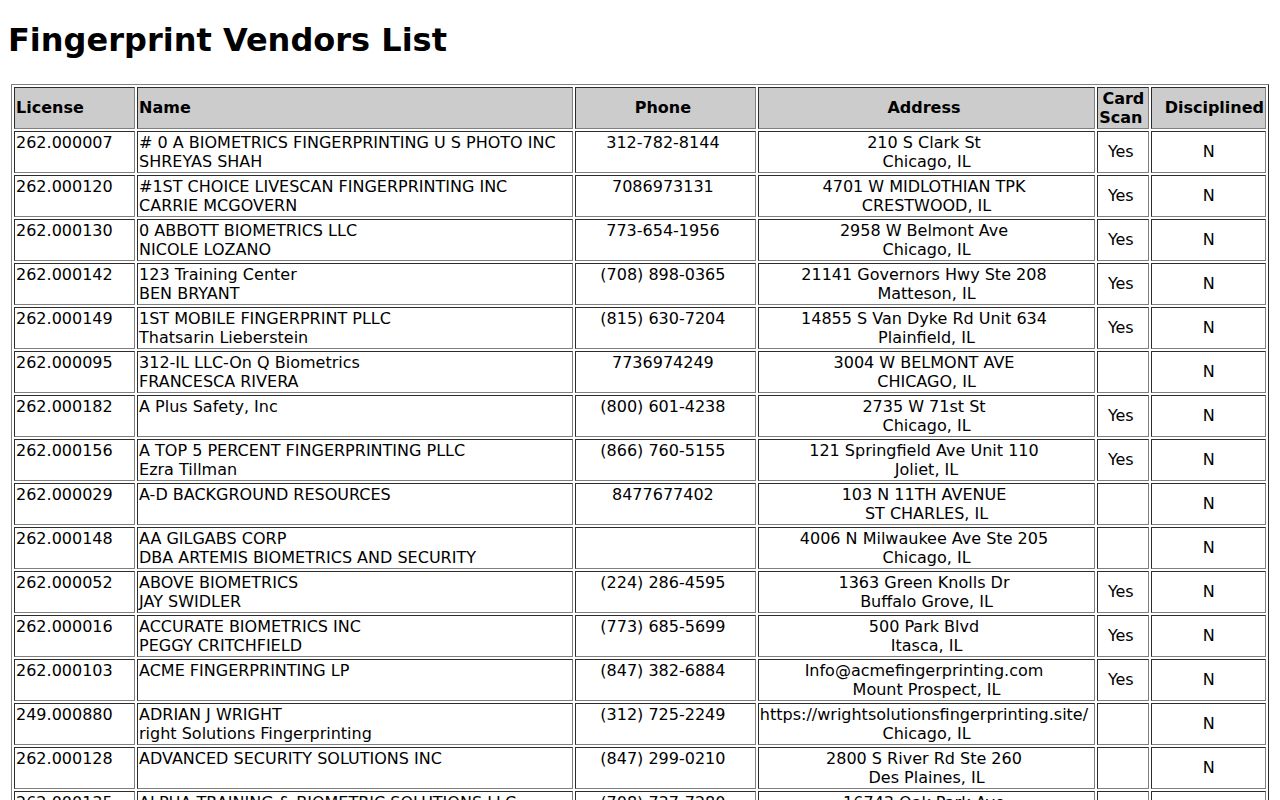
When a transcript appears wrong or incomplete, the personal record-review route includes the Record Challenge process. Corrections should go to the agency tied to the disputed event, with documents that show the accurate disposition or identity.
Public Access Laws in Illinois
Illinois access depends on the record and custodian. The Illinois Freedom of Information Act creates a request process for public agency records, but exemptions protect material such as active-investigation details, private data, juvenile information, victims, and confidential sources. The Uniform Conviction Information Act governs public conviction information from ISP. Court access follows judicial rules and statutes rather than treating the Circuit Clerk as an ordinary executive-branch FOIA office.
Key Statutes:
5 ILCS 140 - Illinois FOIA provides access to public records while recognizing stated exemptions.
20 ILCS 2635 - UCIA governs public dissemination of Illinois conviction information.
705 ILCS 105 - the Clerks of Courts Act governs clerk records and services.
730 ILCS 150 - the Sex Offender Registration Act sets registration duties.
Lake County Sheriff Report Requests
Sheriff Records recommends waiting five to seven business days after an incident before requesting a report. A deputy usually needs three to five days to finish it, after which command reviews it and sends it to Records. Call 847-377-4200 with report questions. Body-camera or other audio and video material needs a separate request.
Requests may go through GovQA, email at sherifffoia@lakecountyil.gov, mail, fax, or hand delivery. Avoid sending duplicates through several channels because that slows identification and review. A written request need not use the county form, but it must reasonably identify the record. Noncommercial requests generally receive an initial response within five business days, subject to a lawful extension.
The county's records-custodian guide shows why routing matters.
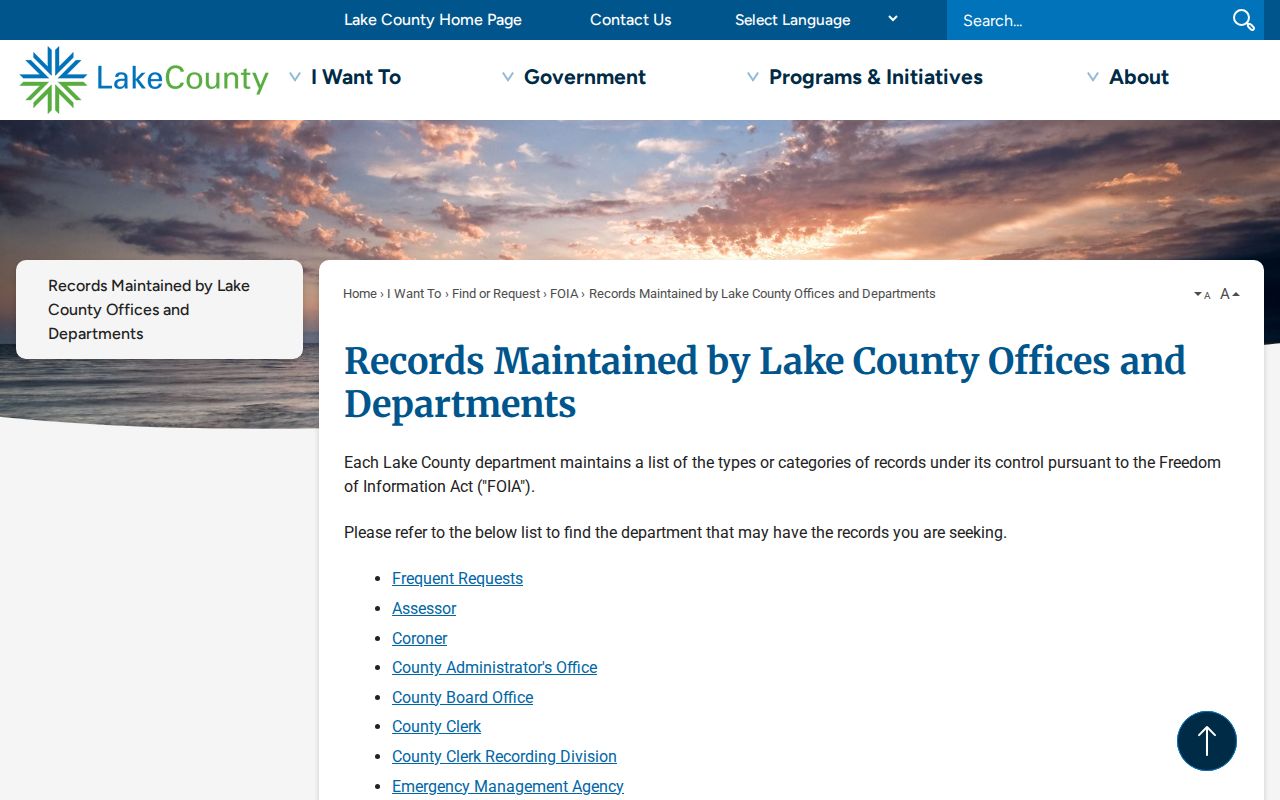
Adult Corrections has its own FOIA channel. Court records go to the Nineteenth Judicial Circuit or Circuit Clerk, and municipal police reports go to the municipality that created them.
Sealed, Expunged, and Restricted Records
Expungement and sealing are different forms of Illinois record relief. Expungement generally removes eligible records from ordinary public and law-enforcement repositories as the governing order directs. Sealing blocks the record from general public view while specified agencies may retain access. Eligibility turns on every case outcome and the person's full history, not just the title of one charge.
Begin with an ISP Access and Review transcript and the Lake County case dispositions. Then compare each event with current Illinois eligibility rules. The Illinois Courts approved forms catalog supplies statewide packets. Filing and service costs can still apply, and the petition belongs in the circuit where the case arose. Juvenile records follow separate restrictions.
Lake County Custody Search Layers
Current county custody, state prison custody, federal custody, and victim notification are separate systems. Lake County Corrections is the first stop for a person booked into the county jail. IDOC's Individuals in Custody Search covers people in Illinois state custody. The Federal Bureau of Prisons locator covers federal prisoners, while VINELink can supplement official custody sources with notification functions.
The BOP Inmate Locator is shown below because a federal case or sentence will not appear in an IDOC custody result.
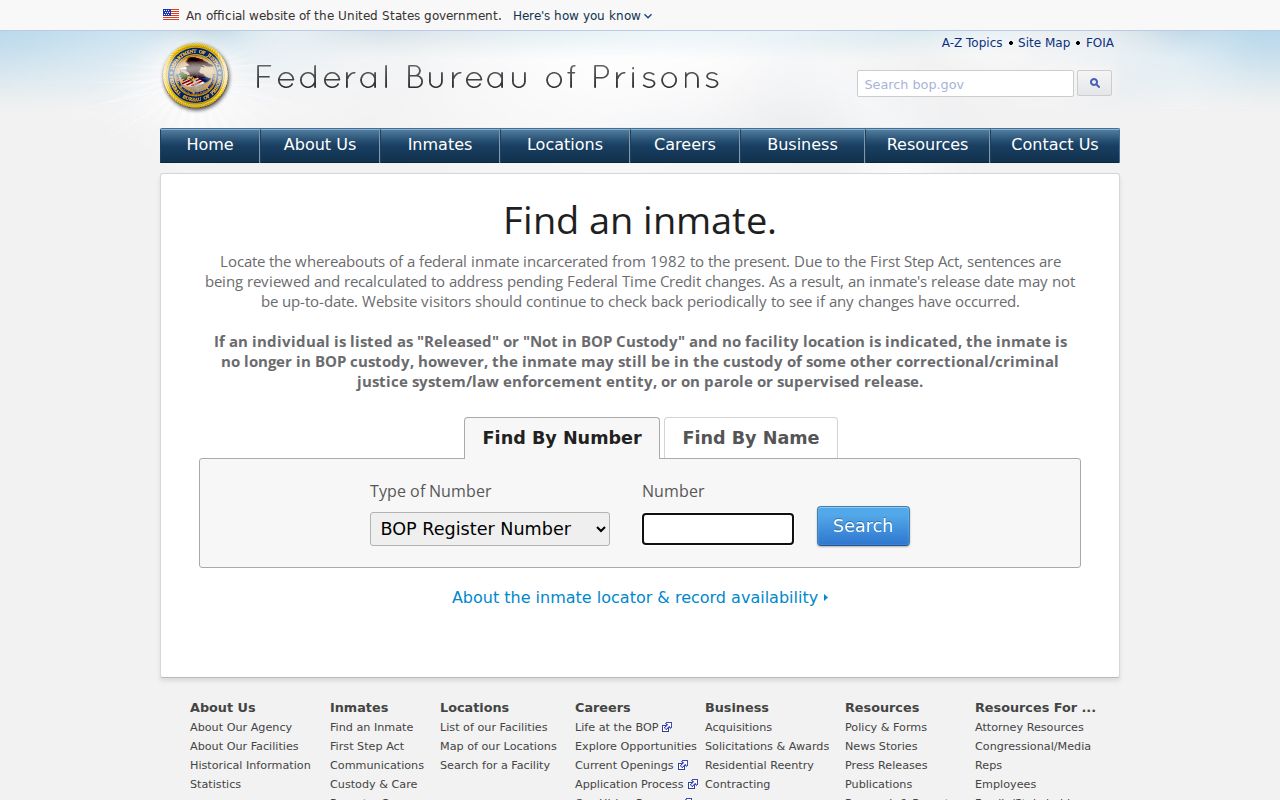
Custody does not prove conviction. A county jail may hold a person awaiting a hearing, serving a local sentence, or detained for another authority. Confirm the court outcome through the docket.
Federal Records Beyond Lake County
Federal criminal records do not merge into the Lake County Circuit Clerk portal. PACER provides federal dockets, and the U.S. District Court for the Northern District of Illinois is the local federal court. For one's own national identity history, the FBI accepts an electronic request through eDO or a mail request with fingerprints. The FBI fee is $18, and a participating USPS location or approved channeler may charge an added capture or service fee.
The official FBI eDO interface explains the personal Identity History Summary request.
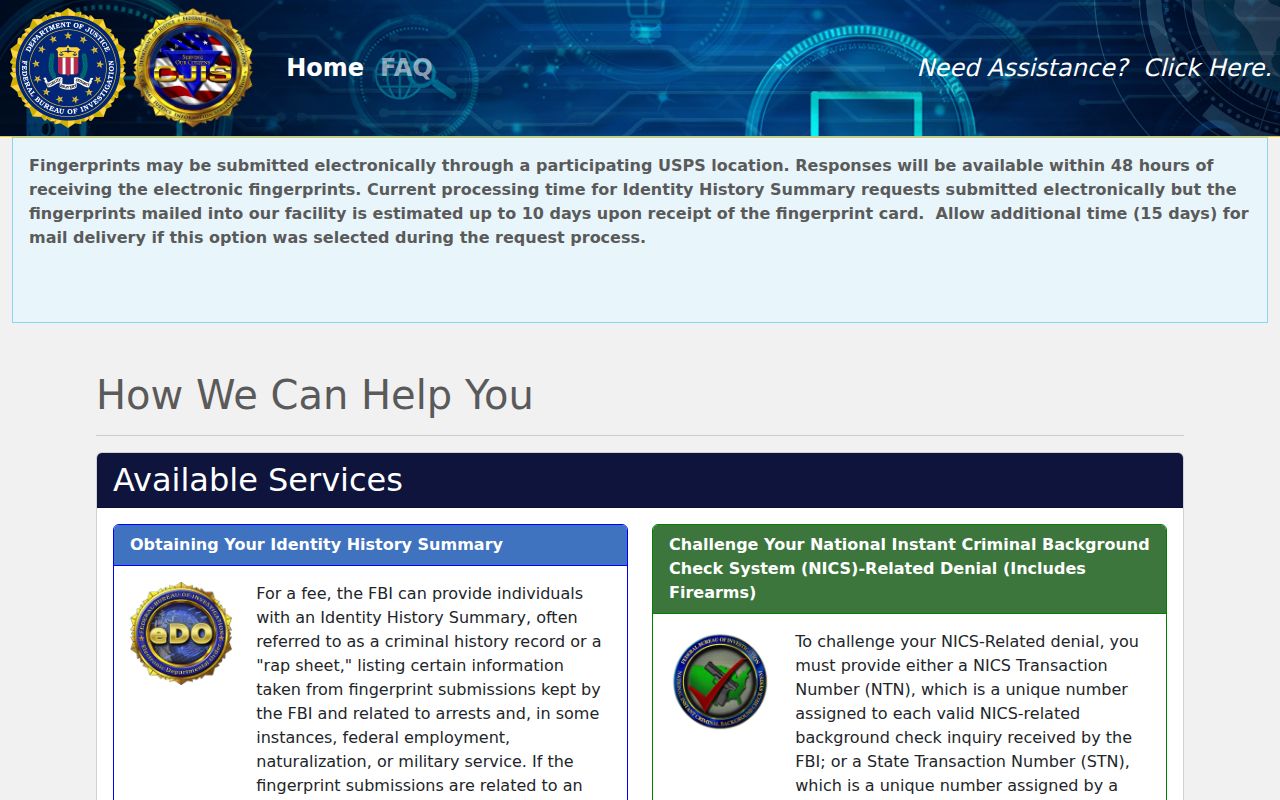
A federal identity summary is not a certified copy of a Lake County judgment. When a precise court order matters, obtain it from the court that issued it.
Lake County Criminal Records by City
Municipal police departments retain the reports they create, while criminal cases move to the correct circuit court. Waukegan offers city police report channels near the county justice campus. Buffalo Grove spans Lake and Cook counties, so the incident location determines the court and county jail path. Mundelein uses an electronic FOIA portal, a weekly blotter, and published crash-report options. These city guides keep local access details separate from county and state systems.
Waukegan Criminal Records
87,940 · City police records plus nearby Lake County court and jail channels.
Buffalo Grove Criminal Records
42,812 · One village police custodian, with cases split by county.
Mundelein Criminal Records
32,680 · NextRequest, crash-copy routes, blotter, and county branch court.
Confirm Lake County Offices Before Visiting
The primary county offices generally operate Monday through Friday, 8:30 a.m. to 5 p.m., but court schedules, security rules, and counter procedures can change. The county complex offers public Wi-Fi, garage and nearby municipal parking, and metered spaces. Check prohibited-item notices and the exact branch before leaving. The Circuit Clerk main number is 847-377-3380; Sheriff's Records is 847-377-4200; Adult Corrections information is 847-377-4150.
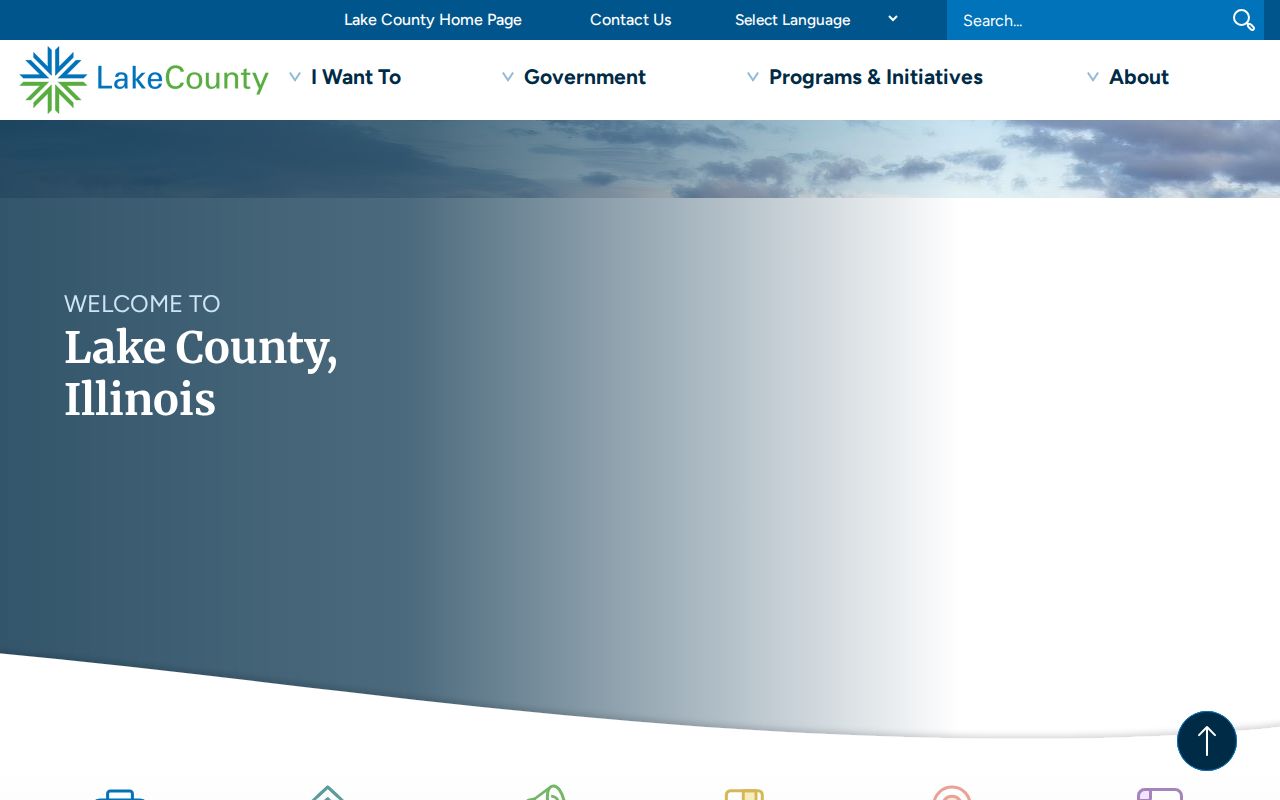
The official Lake County government site provides current building and department notices.
Call first when a branch or appointment is required. The shortest physical distance between offices does not mean they share files or public counters.